One system. Total focus.
A generalist shop touches your cooling system a few times a month. We touch it on every single vehicle, every single day — that repetition is the whole reason to choose a specialist.
Generalists treat symptoms. We trace root causes.
Cooling failures are deceptive — a "bad radiator" is sometimes actually a failing thermostat cooking the core, or a collapsed hose starving the water pump. A shop that sees a hundred different systems a week develops pattern recognition that a general-repair bay simply doesn't have time to build.
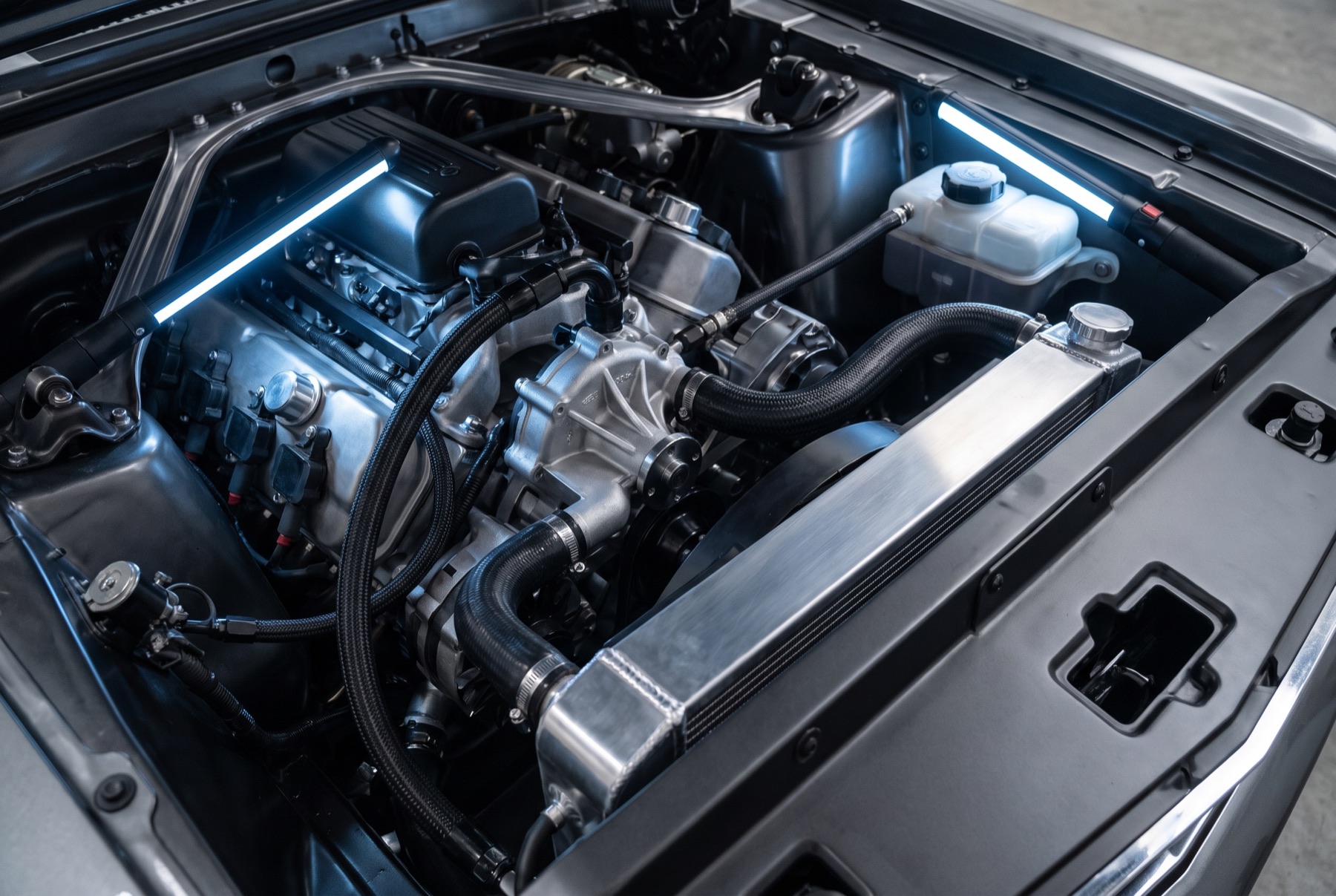
That focus shows up in three places: we own diagnostic equipment built specifically for pressure and flow testing, we stock cooling-system parts other shops special-order, and every technician here trained on this system first, not last.
Technicians who trained on cooling systems first

Lead Diagnostic Technician
12 YRS · COOLING SYSTEMSRuns every pressure test personally before a repair is quoted — the philosophy is simple: know before you touch a wrench.

Senior Service Technician
8 YRS · RADIATOR & ACSpecializes in the shared radiator/condenser airflow path — the two systems most shops still treat separately.
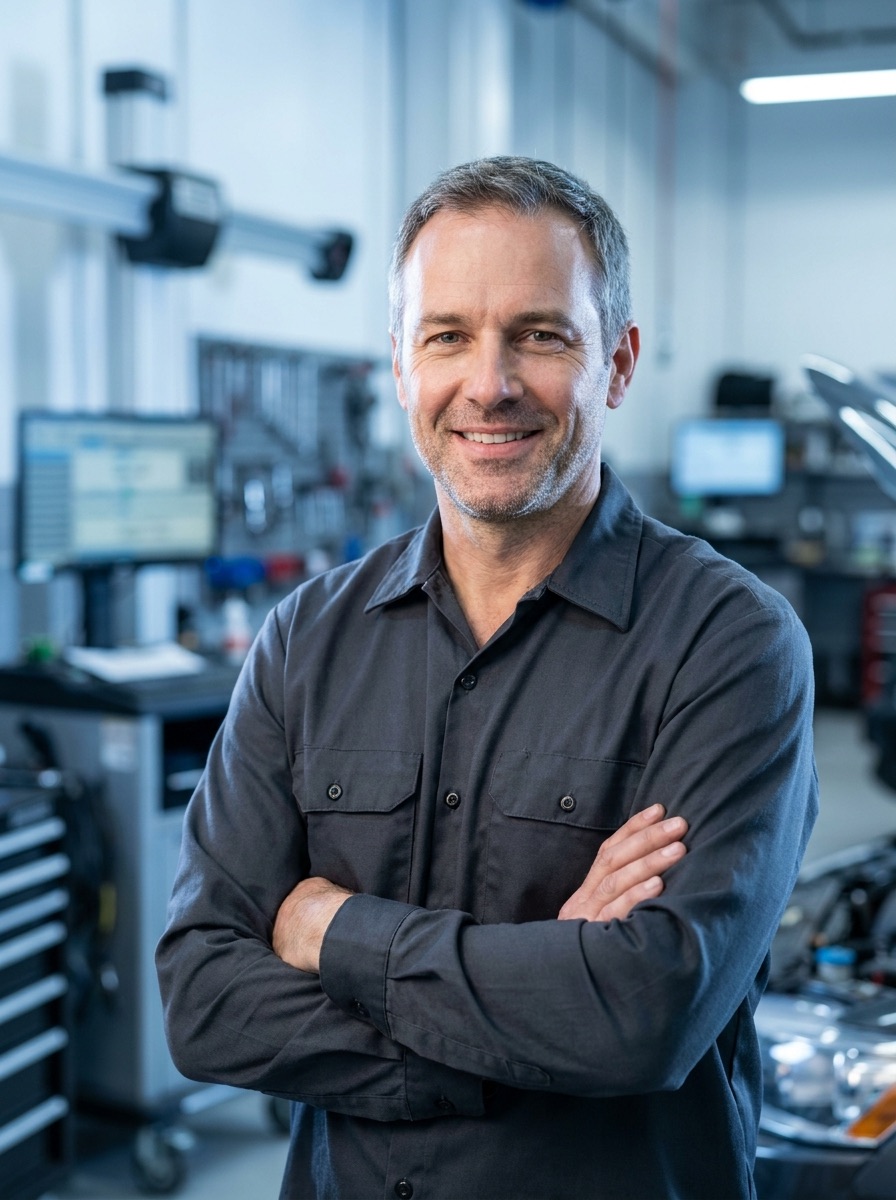
Shop Manager & Founder
15 YRS · SHOP OPERATIONSBuilt CoolFlow around one rule: the same shop that finds the leak is the shop that fixes it — no hand-offs, no guessing.
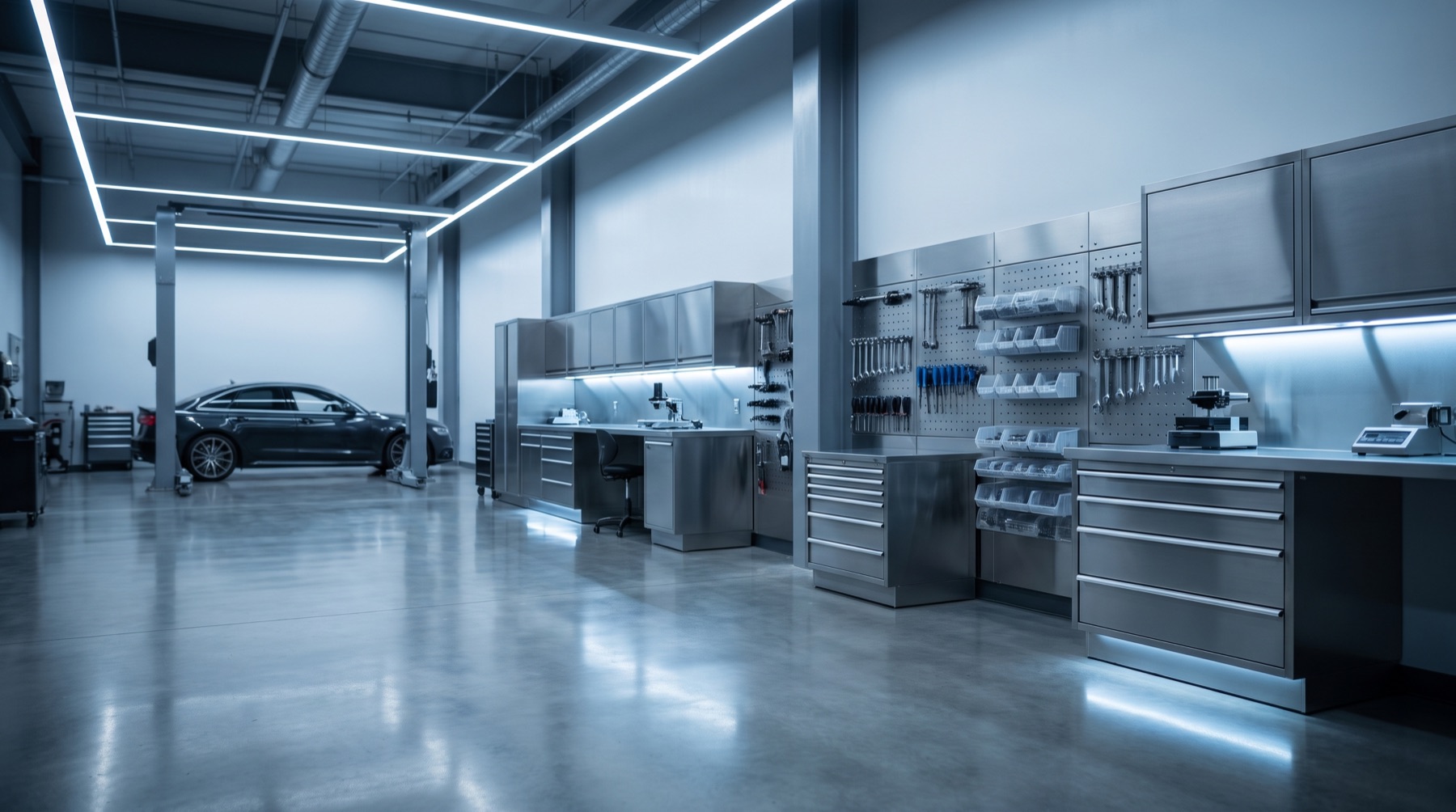
Built around one job, not a hundred
Every visit starts with proof, not a guess
Cooling problems can look identical from the driver's seat and have completely different causes under the hood. Our process rules them out in order, fastest and cheapest checks first.
Visual & fluid inspection
Check coolant color, level, and condition; scan hoses, clamps, and the radiator/condenser face for damage.
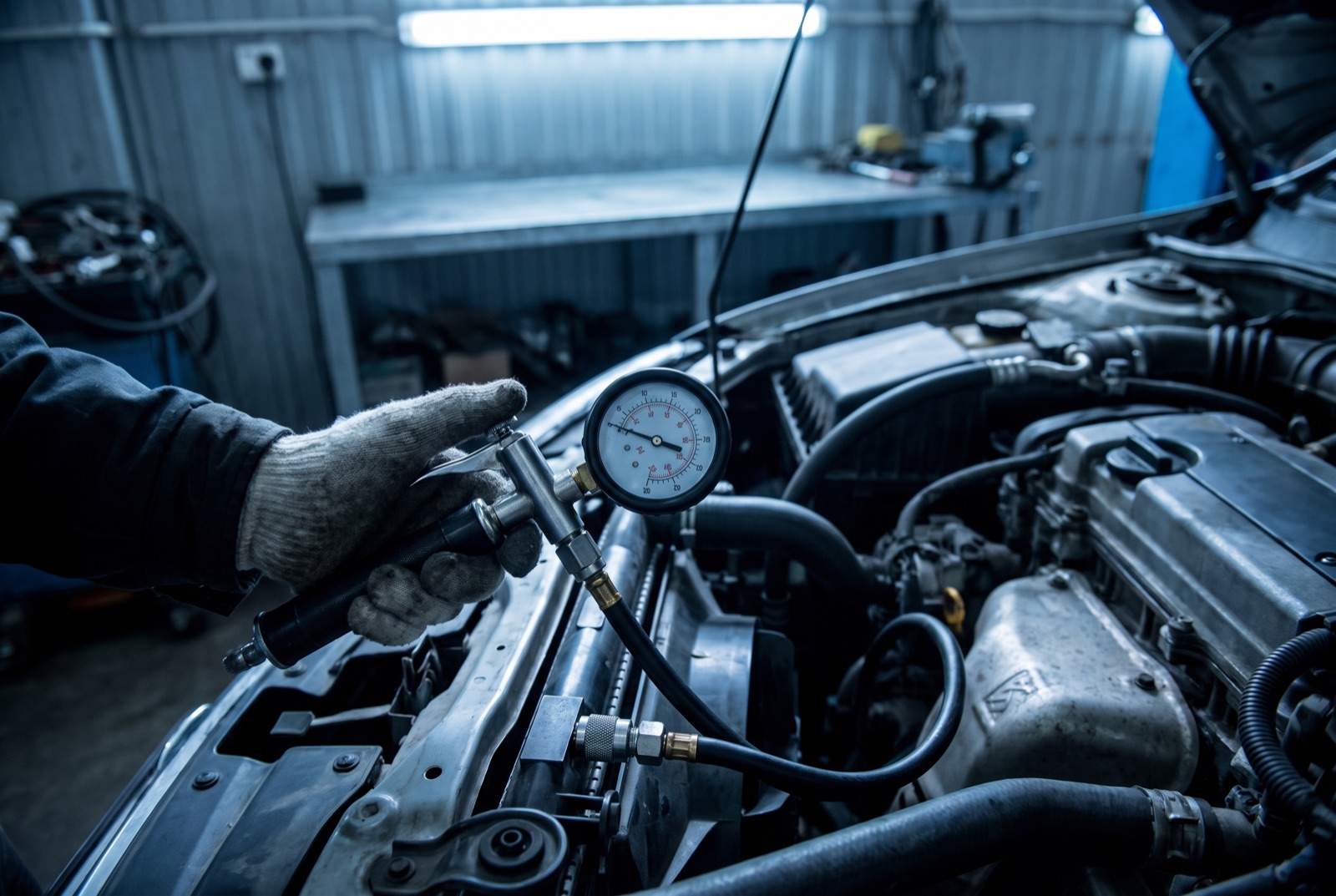
System pressure test
Pressurize the sealed system to spec and watch the gauge — a dropping needle confirms a leak exists before we chase it.
UV dye trace
For leaks too small to see, dye circulates with the coolant and glows at the exact failure point under UV light.
Written diagnosis & quote
You see exactly what failed and why before any repair is approved — no exploratory teardown billing.
Values that shape every repair
Diagnose before you quote
We never guess at a repair. Every quote is backed by a pressure test or dye trace that proves the failure point.
Spec parts, not "close enough"
OEM-spec radiators, pumps, and thermostats hold the correct pressure and flow rate — off-spec parts fail early.
Plain-language explanations
You'll leave knowing what failed, why, and what to watch for — not just a line item on an invoice.
Bring it in and let's find out for sure.
A full pressure test and visual inspection is part of every visit.